
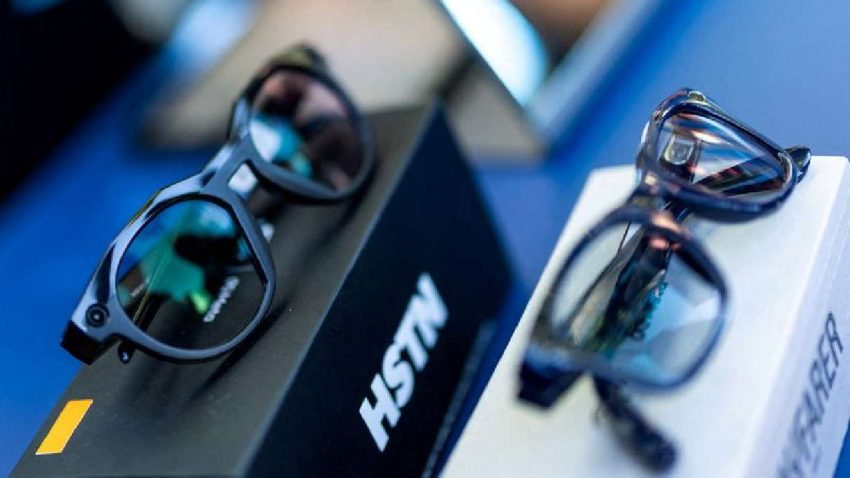
MENLO PARK, Calif. — Meta Platforms is expected to unveil new smart glasses at its annual Connect conference on Wednesday, including a pair without cameras, amid growing privacy concerns about AI devices that can be used to record people without their consent.
The social media giant is the early leader in the race to put AI devices in the hands of customers, with sales of the smart glasses it co-developed with EssilorLuxottica surging last year to more than 7 million. That has given Meta a dominant share of a market where it mainly faces competition from Chinese companies such as RayNeo and Xiaomi.
But the devices’ growing popularity has sparked concern globally about their ability to covertly record people, with several U.K. restaurants, pubs and theaters restricting their use.
The glasses have also drawn lawsuits, including a proposed class action in California alleging Meta misled users about privacy protections and that human annotators training its AI viewed and labeled footage of people’s private moments, including changing clothes, after the recordings were uploaded to its servers.
Meta, which contests the allegations and plans to defend itself, is expected to unveil the glasses without cameras in two styles, one called Clubmaster and another named Burbank, according to the Information.
Analysts expect the company to also launch a new version of its Meta Ray-Ban glasses that come with cameras, as well as a thinner and lighter pair of augmented-reality glasses that reports say is code-named Phoenix.
The potential Phoenix launch comes days after Snap unveiled new partnerships and software details about its $2,195 Specs augmented-reality glasses that launch later this year.
Some analysts are, however, doubtful that removing cameras alone could allay the privacy concerns about AI devices that can still record audio. Losing the camera may also blunt demand as capturing photos and video ranks among the devices’ most popular features.
“Microphones and audio collection could trigger similar concerns, although likely to a lesser degree,” said Linda Sui, founder of Smart Analytics Global, a market research firm.
“More importantly, removing the camera from glasses that also lack a heads-up display will create a product differentiation challenge. Consumers may ask why they need smart glasses rather than Bluetooth earbuds if the primary experience is limited to voice interaction, microphones and speakers.”
The Key Takeaways for this article were generated with the assistance of large language models and reviewed by our editorial team. The article, itself, is solely human-written.