
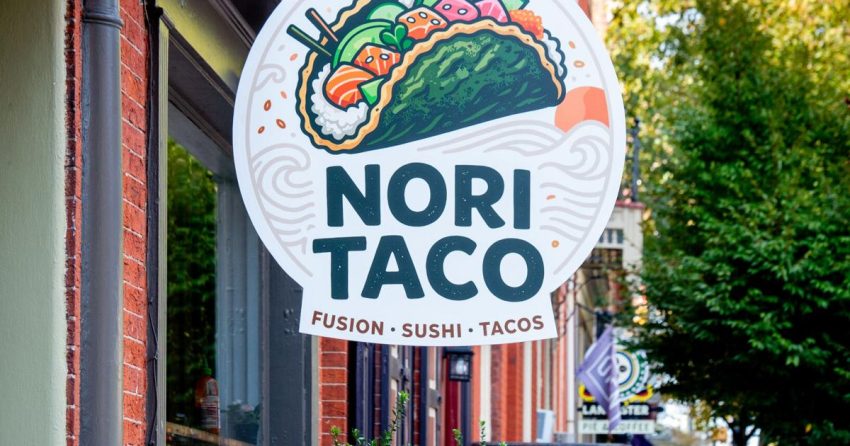
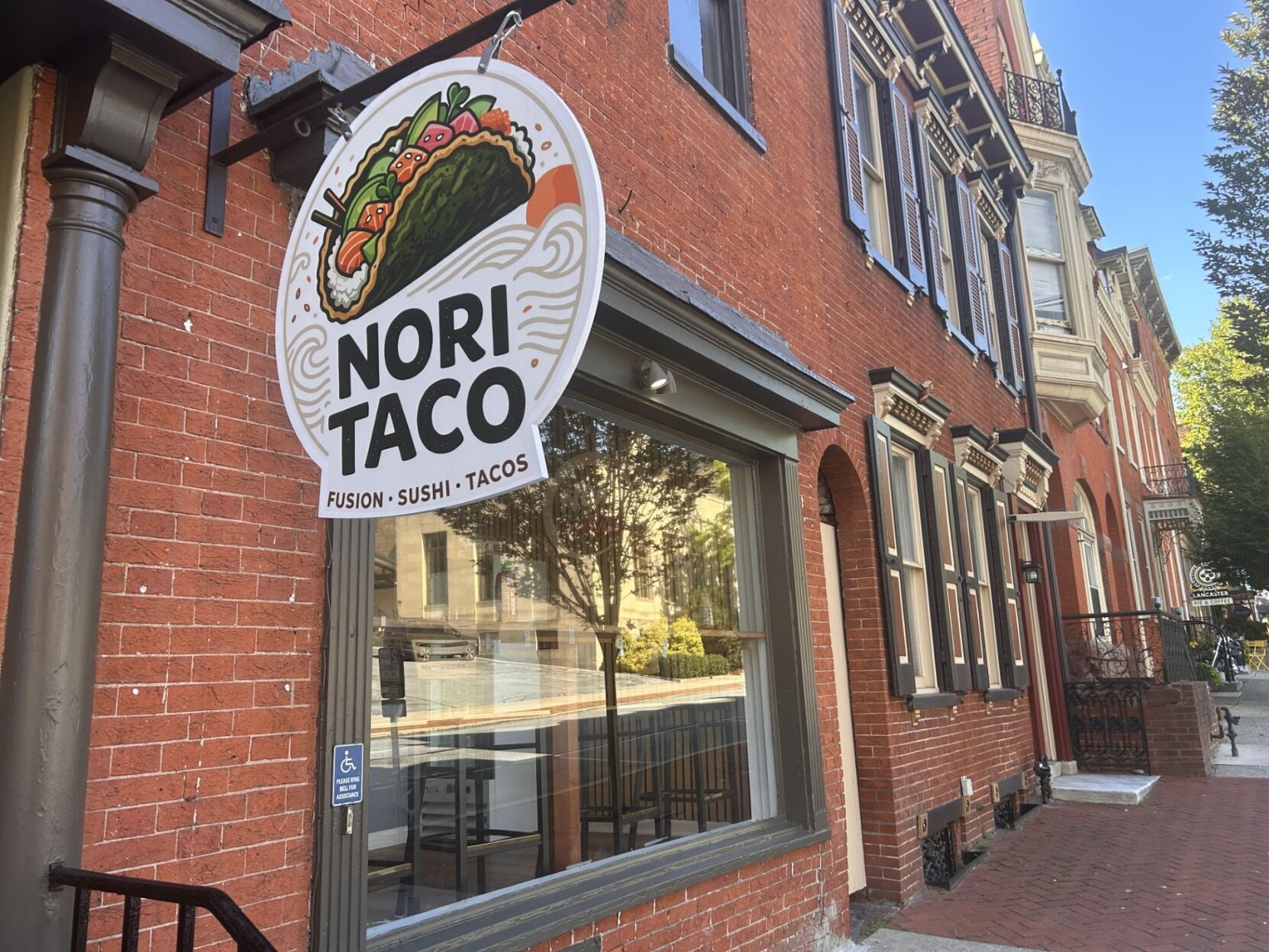
When Henry Shi opened Nori Taco in downtown Lancaster this August, he was surprised by an influx of negative comments on social media. They had nothing to do with his food — sushi-inspired tacos — or the customer service.
Shi said repeat customers tell him frequently how much they love the food; some online commenters were simply furious about the restaurant’s logo.
“Looks delicious but the AI logo is going to turn people away (myself included),” one person wrote.
“I don’t care how good it is if they put ai on their sign i ain’t eatin it,” another said.
Some comments accused Nori Taco of using artificial intelligence somewhere in the cooking process or implied that the use of AI art meant Shi was cutting corners when it came to the food. On an LNP Instagram post announcing the business’ opening, there were more comments about the logo than the tacos.
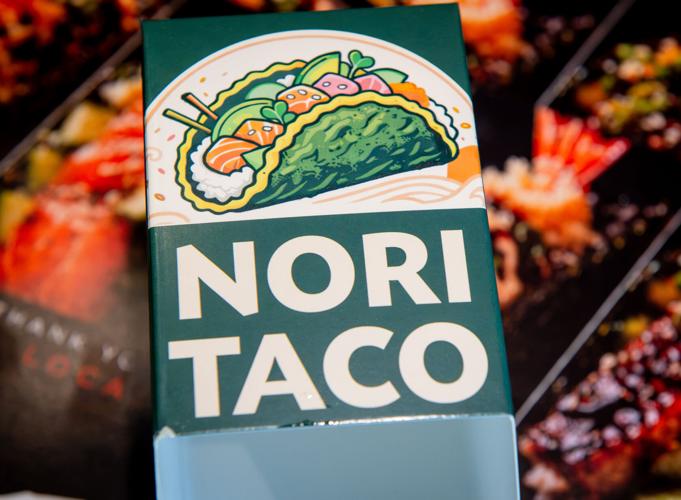
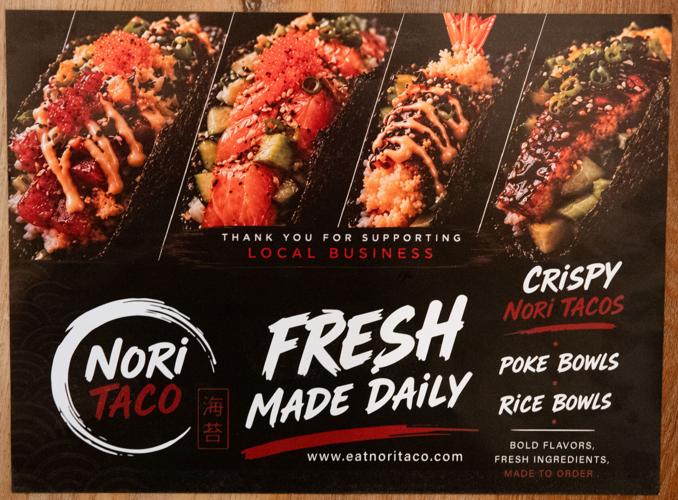
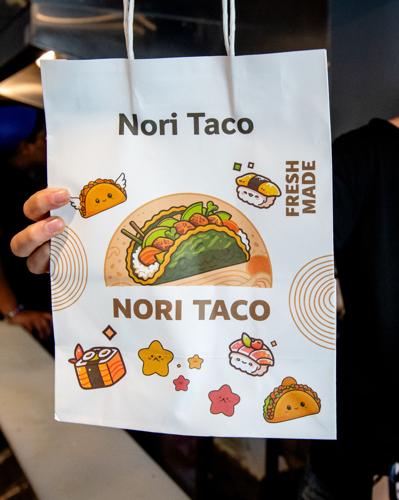
Shi is currently changing the menu design to include pictures of Nori Taco’s food. He said he didn’t know the logo was AI when he picked it from three options presented by a printing company. He just thought it fit the restaurant concept the best.
“Logo is a secondary thing to people remembering our store,” Shi said. “What matters the most is how you bring people back to the store. If they try the food, do they like the food? Are they going to travel far away for the food? That’s what matters.”
Fury over AI ads stretches far past the Lancaster area. Ban the Bots, an anonymous blog tracking the impact of AI on jobs and the environment, maintains a list of major brands that received backlash for AI advertisements. Just over half of Americans say they are more concerned than excited about AI, according to an August Pew Research study. Some brands, such as Polaroid and Heineken, are now releasing anti-AI ads.
Another local restaurateur found herself on the end of AI blowback. Bridget Grant, owner of Alchemy Ramen in Lancaster, had to act fast after an artist she hired to paint a mural moved away a week before the restaurant opened last year. To fill the empty wall space, Grant ordered three decals online from freelance site Fiverr. She’s received dozens of social media comments criticizing Alchemy Ramen for the decals which include AI-generated images.

Alchemy Ramen is a build-your-own ramen shop in downtown Lancaster that features neon lights, colorful murals and whimsical touches meant to evoke Tokyo.
Grant handpainted chairs for customers and a different mural in the restaurant. She said it’s unfortunate that online commenters don’t mention that art. She agrees with artists’ frustrations over AI art and hasn’t used AI-created art for other things, but the online purchase helped her in a last-minute bind. She is reaching out to artists for custom decals to replace the current ones. Grant also hopes art students will offer to create work for Alchemy Ramen.

Unlike chain restaurants with multimillion dollar budgets, Shi said every cent matters for Nori Taco. He’s found AI helpful for business-side tasks, such as drafting emails. Big corporations can hide behind a wall while using AI, Shi said, without getting negative comments. He thinks it’s unfair that social media users don’t also comment on corporations’ posts.
He disagrees with the comments, acknowledging Nori Taco’s use of AI is more obvious because the restaurant is located on North Price Street among the art galleries on Gallery Row.
Rather than a detraction, he said, the restaurant is bringing more foot traffic to the block, and more business. Nori Taco was the top trending restaurant in the area on Google Maps during its first month and had a line down the block on opening day.
Artists’ perspectives
Kelby Weaver, a Lancaster artist and graduate of Pennsylvania College of Art and Design, just up the road from Nori Taco, said during his time at art school seven years ago, illustration was already becoming a less stable field with AI tools starting to become publicly available. Given the choice between a commissioned image and a free AI-generated one, he thinks businesses will choose the latter.
“You have to be very economical and efficient … but I think that robs you of authenticity,” Weaver said.
“A kid’s drawing on a refrigerator is authentic to me,” he said. “It feels more human and more important than something that takes a bunch of images and other artists’ work and regurgitates and cycles through it and spits out something that sort of resembles an artwork.”
Weaver said he becomes disinterested in a business if he sees one using AI-generated content. Older members of his family can’t tell as quickly if something was made by a human or AI, he said.
Sara Stichler, another Lancaster artist, said she paints to process emotions surrounding the “fleetingness of time,” and she said she doesn’t see how AI could replace that experience.
Stichler thinks AI could lead to more experimental mediums in art, similar to how the invention of photography made abstract art methods more popular.
With multiple colleges offering art studies in Lancaster County, Weaver said, businesses could commission students for designs rather than rely on AI.

Weaver thinks AI commercial art will slow in response to negative reactions on social media. Seeing local businesses use AI art is more “disheartening,” she said, than seeing the same type of art in a chain restaurant.
“It feels like if you’re trying to sell something to people, it should be made by people,” Weaver said. “So when I see that it’s a person telling a machine to make something to make us humans interested in buying or giving our patronage to, I’m not interested anymore because it’s not an authentic call for me to engage with it.”
Despite the negative feedback online, Shi said Nori Taco already has repeat customers. He said he hopes people give his business time to adjust to the feedback and eventually move away from AI-generated images. But he also hopes people and future business owners know it’s not bad to try new technology. Local businesses, he said, can’t afford to fall behind on new tools.
“I do think that in order for you to be successful, you have to go all the way out to be a little bit different,” Shi said. “Our way is being different. Sushi taco is a different concept.”
