
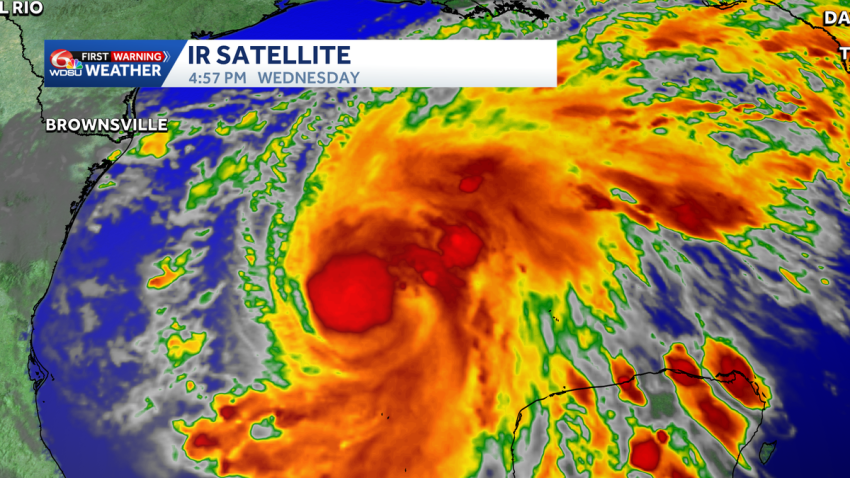
There has been a difference between the 2 big group of models used

When forecasting the track and strength of tropical cyclones, meteorologists and hurricane specialists use a variety of different computer models as a guidance.
There’s 2 different groups of models that we now use. The traditional physics based models and the new AI versions of those models.
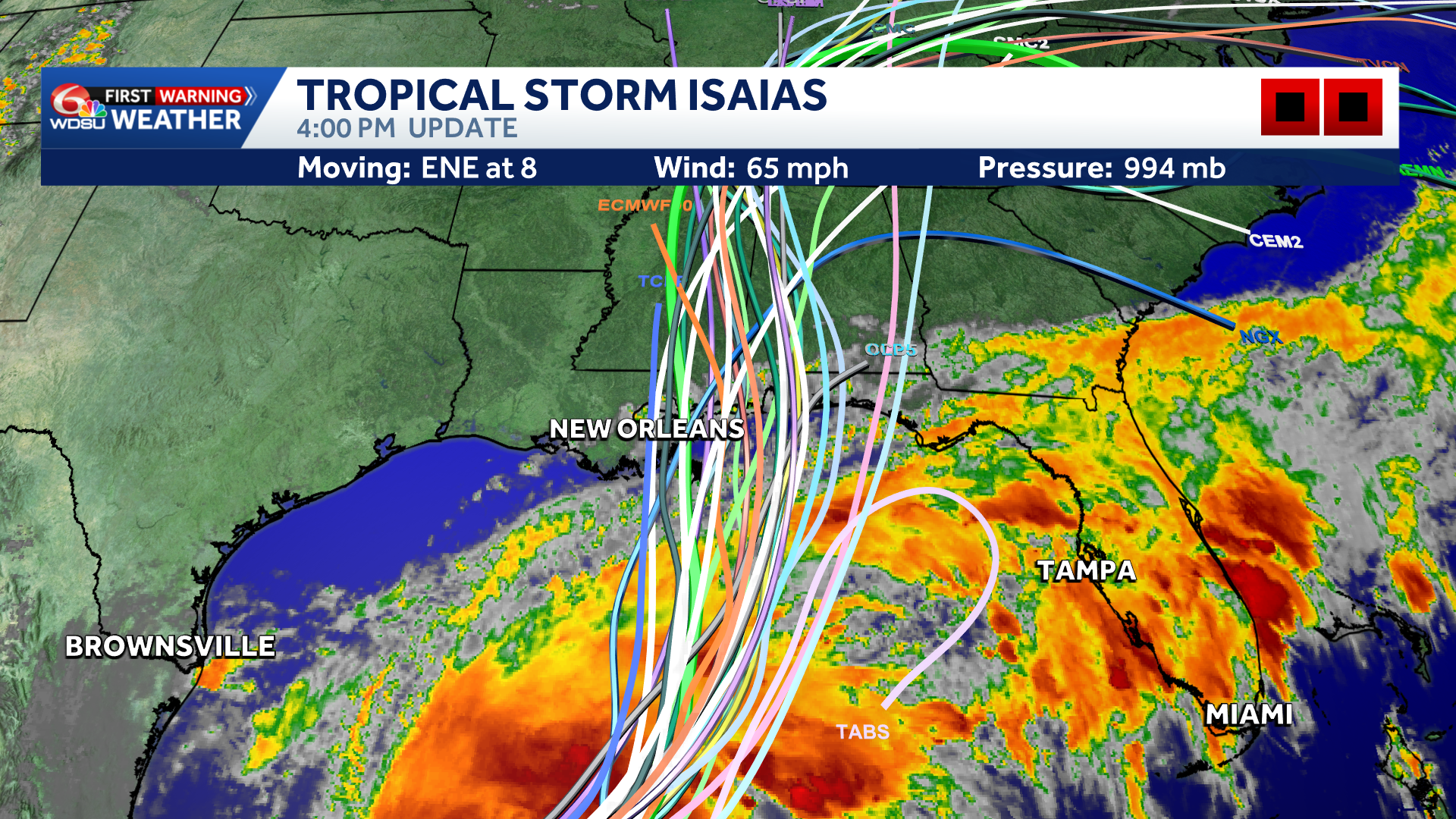
For Isaias, the National Hurricane Center has been leaning more toward the AI models including Google AI, which has mainly favored the eastern side of the forecast.
Below is when Isaias was an invest on October 5.
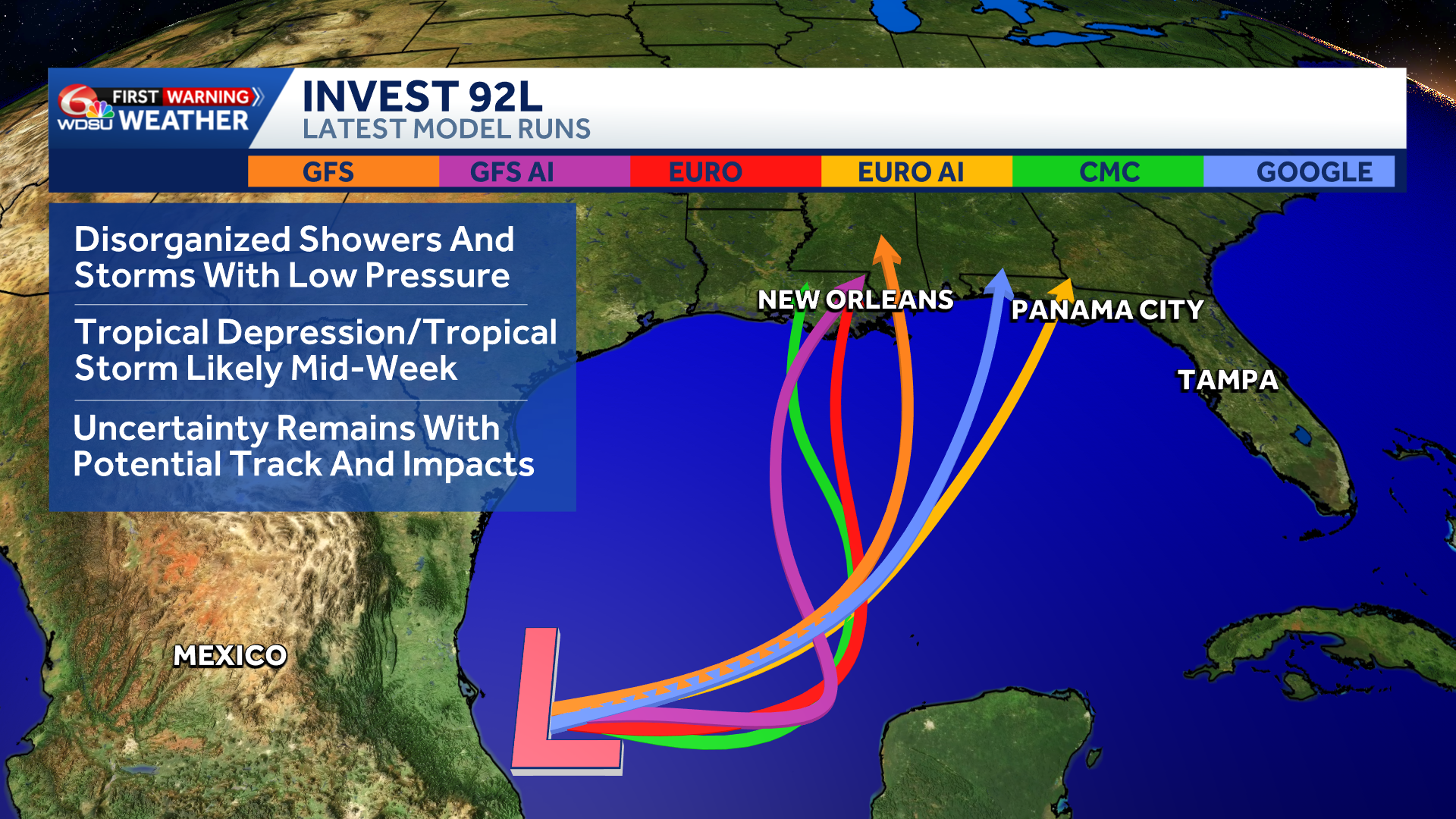
Most of the traditional physics based models have been leaning more toward the western side of the forecast though, with plots over Mississippi and Louisiana.
What you need to know about the new AI model:
AI is at the forefront of technology, but on sites like Tiktok, Facebook, and X, it has a dark side.
Storm anxiety is real but the best cure for that is accurate information. Unfortunately, many online content creators care more about likes and shares than your safety.
That’s because they are using AI to edit weather graphics, make storms look bigger, closer, and more dangerous than they really are.
They also trick you by recycling old posts. Remember, hurricane names recycle every six years. So, always check the date and time before you share.
Ignore the “fantasyland” models projecting landfall two weeks out. Hype-casters often crop out the timestamp to hide the truth. If that info is missing, it’s a scam for clicks.
VIDEO: Advantages and disadvantages of artificial intelligence and forecasting
To beat the hype, just stick to the official tropical timeline. Here is when you actually need to take action:
Five to seven days out: Monitor forecast trends, stay calm and watch for legitimate updates.
Three to four days out: Impacts are possible. This is your cue to start preparations and check supplies.
One to two days out: Impacts are likely, finalize your plans and evacuate if officials tell you to.
Always verify who a post is from. Trust government agencies like NOAA, the National Hurricane Center, and the WDSU First Warning Weather Team.
Following this timeline keeps you safe—and it keeps you from falling for the junk on your feed.
AI isn’t all bad though. This technology is actually helping us stay ahead of the storm. It can be useful when used properly.
Take last year’s hurricane season for example, the Google Deepmind model or Google AI model, outperformed the traditional American and European models that we typically look at when it comes to forecasting the track of tropical cyclones. Especially between 12 to 96 hours or up to 4 days out, it was the best performing model. Even beating out the National Hurricane Center’s official forecasts, except on day 5.
How Google Deepmind performed in 2025:
Now, lets take a look at the intensity forecasts from last year.
The Google Deepmind model and the National Hurricane Center were nearly neck and neck within each other. The only time google outperformed the National Hurricane Center’s forecast was between 36-60 hours or between days 1.5 to 2.5.
2025 was the first hurricane season that the National Hurricane Center incorporated artificial intelligence model guidance into their forecasts. But the results were clearly impressive. So much so that the National Hurricane Center said they expect AI models to become more reliable, efficient, and influential components of the hurricane forecasting process in the coming years.