
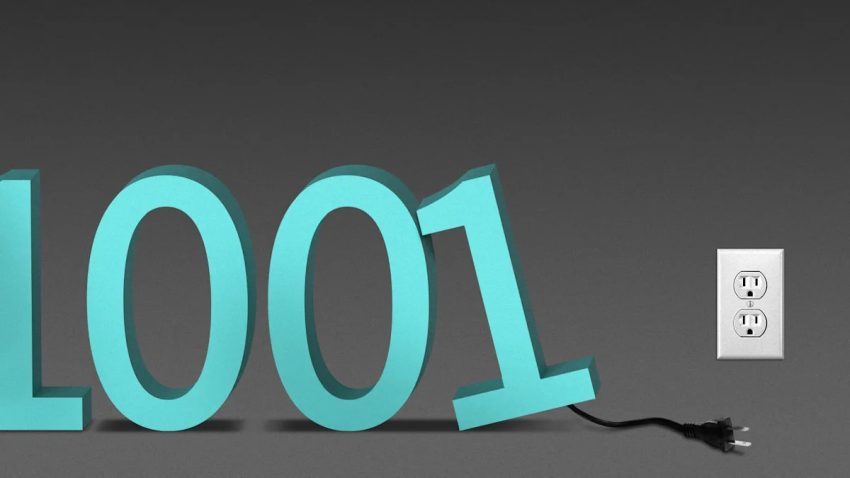

Silicon Valley moves fast and breaks things, but the U.S. electrical grid moves slowly and requires permits.
-
The explosive growth of AI is colliding with the glacial pace of building out new power infrastructure, prompting a new warning from Goldman Sachs that energy bottlenecks are set to stall the AI race.
Why it matters: Amid a wave of anxiety from Wall Street about the debt-fueled AI buildout, Goldman points to power as the biggest risk to trillions in spending in a new report shared exclusively with Axios.
Driving the news: Goldman expects global data center power demand to surge 170% between 2025 and 2030, with more than 60% of that growth coming from the U.S., according to the report.
-
“Power is probably the forever bottleneck,” Jason Tofsky, Goldman’s global head of digital infrastructure investment banking, noted in the report.
-
The bank estimates roughly $7.6 trillion in capital spending between 2026 and 2031 across computing, data centers and power infrastructure.
Zoom in: The physical infrastructure needed to support AI is moving far more slowly than the technology itself.
-
The U.S. has roughly 2,600 gigawatts of proposed power generation and storage projects awaiting grid connections, more than twice the grid’s existing installed capacity, though many projects may never materialize.
-
The median time from an application for a grid connection to commercial operation is roughly five years.
Between the lines: The so-called AI race, which has long been defined by advances in frontier AI models, is really about who can get their hands on enough power, Goldman argues.
-
That could mean a longer, less predictable buildout, delayed financial returns and greater risks for companies investing heavily before securing power.
Follow the money: The massive expansion is being financed with debt, raising the stakes if construction timelines slip.
-
Goldman projects $420 billion in global hyperscaler debt issuance in 2027, up more than 60% from its 2026 estimate.
-
Debt is expected to finance roughly 35% of hyperscaler capital expenditures next year.
-
And hyperscalers account for just 40% of AI ecosystem credit fundraising, underscoring how widely the borrowing extends.
The intrigue: Since January, 86 projects have been canceled or significantly delayed, including 76 directly linked to local opposition, according to Goldman.
Yes, but: Slower deployment could also help prevent overinvestment by giving actual demand time to catch up with spending.