
-
Altman said stronger guardrails are needed despite the technology’s potential benefits in areas such as medicine and productivity.
-
He added that potential IPOs for OpenAI and Anthropic could create complicated fiduciary questions if safety decisions conflict with shareholder interests.
-
Altman also called for greater government involvement in AI oversight and floated the idea of an “FDA for models.”
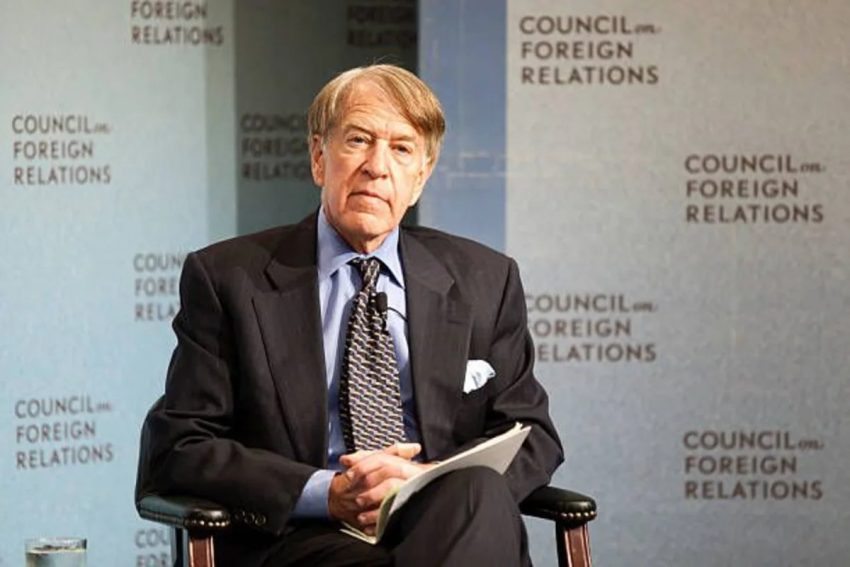
Evercore founder and senior chairman Roger Altman on Monday called artificial intelligence “the greatest threat facing the world by a big margin,” pushing for companies and governments to slow the pace of development and establish stronger guardrails.
“There’s huge upside. We all know that: transforming human life, medical development, and so forth,” the former United States Deputy Secretary of the Treasury told CNBC. “But we’re at a point of very severe danger.”
AI stocks were falling in morning trade on Monday. The Direxion Daily Semiconductor Bull 3X Shares (SOXL) was down over 17% and among the top-trending tickers on Stocktwits at the time of writing.
Nebius (NBIS), CoreWeave (CRWV), Micron Technology (MU) and Advanced Micro Devices (AMD) were among the Nasdaq-100’s biggest decliners, with the index leading losses among the major U.S. benchmarks. They each fell more than 6% each, with CRWV stock down as much as 8.5%.
The Invesco QQQ Trust (QQQ) fell as much as 1.5% as markets opened and was also among Stocktwits’ top trending tickers. Retail sentiment around QQQ remained in the ‘extremely bearish’ zone over the past day.
Complicated IPOs Ahead For Anthropic, OpenAI
Altman’s comments followed a weekend of renewed debate around the pace of AI development. SpaceX (SPCX) CEO Elon Musk, OpenAI CEO Sam Altman and Anthropic CEO Dario Amodei all raised concerns about aspects of the AI boom. Altman also suggested OpenAI could delay an IPO to focus on safety.
The Evercore founder praised the three CEOs for proposing both a slowdown and new safeguards but added that the potential IPOs of Anthropic and OpenAI could be complicated by the companies’ safety objectives.
“It becomes very interesting to think about the idea of fiduciary duty in the context of a company that may start making decisions for safety reasons over other reasons,” he said.
Government Should Be At The Table
Altman also backed greater government involvement, stating that AI companies should not be left to regulate themselves.