

Key Takeaways
-
Microsoft and Nvidia scheduled the Surface Laptop Ultra unveiling for October 7, weeks after Nvidia raised its DGX Spark AI desktop price ~75% to $6,950 as memory costs climbed.
-
Microsoft guided FY27 Windows OEM and Devices revenue down in the high teens.
-
Azure revenue grew 43% YoY in Q4, and demand still exceeds available supply.
-
TIKR’s mid-case model values Microsoft stock at $1,147 by June 2031, a 116.8% total return.
Microsoft and the Nvidia-Powered Surface Laptop Ultra Launch on October 7
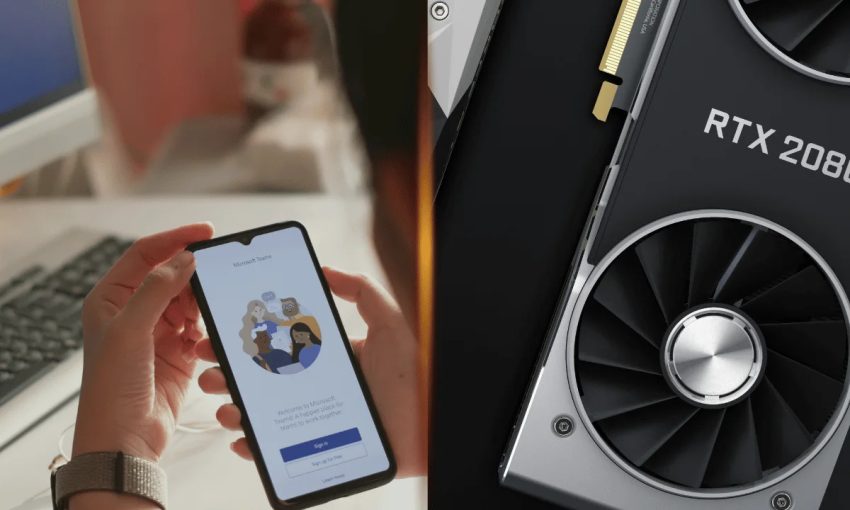
Microsoft (MSFT:NASDAQ) hosts a Windows and Surface event in San Francisco on Wednesday, October 7, where CEO Satya Nadella and Nvidia CEO Jensen Huang will introduce the Surface Laptop Ultra. It runs on Nvidia’s RTX Spark chips. Microsoft stock traded near $528 at midday Wednesday.
Reuters described the launch as a bet that some AI work, such as writing code, can move from Microsoft’s Azure data centers to Windows machines, where customers pay for the hardware. Azure is still short of capacity. Its revenue grew 43% in the fiscal fourth quarter ended June 30, and CFO Amy Hood said demand still exceeds available supply.
Nadella flagged the Windows opportunity on the Q4 earnings call on July 29, saying Windows could “become the offload for unmetered intelligence.” The same call guided Windows OEM and Devices revenue to decline in the high teens for fiscal 2027, which Hood tied to lower PC demand as higher component costs raised device pricing.
Analysts flagged price as the open question. When Microsoft first pitched local AI work on PCs two years ago, most of those laptops cost under $2,000. In recent weeks, Nvidia raised its DGX Spark AI desktop price by about 75% to $6,950, a move Reuters tied to the rising cost of its 128 gigabytes of memory.
So Microsoft stock goes into the launch with Azure capacity-constrained and Windows hardware guided lower.
MSFT Valuation Model: A $1,147 Target Built on 15% Growth

I ran TIKR’s mid case with revenue growing 15.0% a year, a 39.5% net income margin, EPS growth of 15.2% a year, and the P/E expanding 2.5% a year. Revenue grew 17.8% over the last year and 14.6% a year over five, so the growth input sits between the two. Margin is the bigger stretch, since the net margin ran at 36.1% last year.
I kept growth near the five-year pace because Hood guided fiscal 2027 to another year of double-digit revenue growth even as Windows OEM and Devices shrinks.
The model lands at $1,147 by June 30, 2031. That’s a 116.8% total return from $529 over 4.7 years, or 17.8% a year.